5 Essential Vehicle Maintenance Tips for the Winter
Winter is just around the corner, and for many vehicle owners in Glen Burnie, MD, that means it’s time to prepare their cars for the colder months. Winter can be tough on vehicles, with freezing temperatures, icy roads, and heavy snowfall presenting unique challenges. But with some proactive vehicle maintenance, you can ensure your car remains reliable and safe throughout the season.
In this guide, we’ll provide you with five essential vehicle maintenance tips for the winter, helping you navigate the snowy Maryland roads with confidence.
1. Check Your Tires
A. Importance of Winter Tires
Having the right tires is crucial for safe winter driving. Winter tires are specifically designed to provide better traction on snow and ice compared to all-season tires. They are made with a softer rubber compound that remains flexible in cold temperatures, offering superior grip and control. Imagine driving on a slushy road and feeling your car slide; winter tires can significantly reduce this risk. They are a wise investment, with prices ranging from $100 to $400 per tire, depending on the brand and size.
B. Monitor Tire Pressure
Cold weather causes tire pressure to drop, which can lead to poor handling and reduced fuel efficiency. Regularly check your tire pressure throughout the winter months and keep them inflated to the recommended levels. This simple step can improve your car’s performance and safety on icy roads. Consider getting a quality tire gauge, which costs around $10 to $30, to make checking your tire pressure more convenient.
C. Inspect Tread Depth
Tire tread depth is essential for traction. Before winter sets in, inspect your tires to ensure they have adequate tread. The minimum tread depth for safe driving in winter conditions is 6/32 of an inch. If your tires are worn, consider replacing them to maintain proper grip on slippery surfaces. A quick way to check tread depth is the penny test—insert a penny into the tread with Lincoln’s head upside down; if you can see the top of his head, your tread is too low.
2. Maintain Your Battery
A. Test Your Battery
Winter can be tough on car batteries, especially if they’re older. Cold weather reduces a battery’s cranking power, making it harder to start your vehicle. Have your battery tested to ensure it’s in good working condition. Many auto shops offer free battery tests, so take advantage of this service before the cold weather hits. Replacing a battery can cost between $50 and $200, depending on your vehicle’s make and model.
B. Clean Battery Terminals
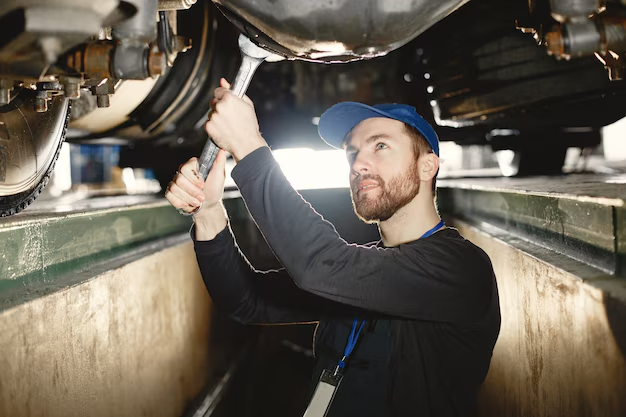
Corrosion on battery terminals can impede the electrical flow needed to start your car. Clean your battery terminals with a mixture of baking soda and water, using a wire brush to remove any corrosion buildup. This simple maintenance task can prevent starting issues during the winter. A clean battery ensures efficient electrical flow, potentially saving you the hassle and cost of a tow or jump-start service.
C. Consider a Battery Blanket
If your battery is more than three years old, consider using a battery blanket. This device keeps your battery warm, ensuring it retains enough power to start your vehicle even on the coldest mornings. Battery blankets are relatively inexpensive, generally costing between $20 and $50, and can be a valuable investment for those particularly harsh winter nights.
3. Inspect Your Brakes
A. Listen for Unusual Sounds
Winter driving conditions demand optimal braking performance. Pay attention to any unusual sounds, such as squeaking or grinding, which could indicate worn brake pads or rotors. Addressing these issues early can prevent costly repairs and ensure your brakes function effectively. Brake pad replacement typically ranges from $100 to $300 per axle, depending on your vehicle and the quality of the pads.
B. Check Brake Fluid Levels
Brake fluid plays a vital role in your car’s braking system. Low brake fluid levels can lead to reduced braking efficiency. Regularly check your brake fluid levels and top them off if necessary. If you notice a significant drop in fluid levels, consult a professional to inspect for leaks. Brake fluid is inexpensive, often costing less than $10 for a bottle, making it an affordable preventative measure.
C. Schedule a Brake Inspection
Before winter arrives, schedule a comprehensive brake inspection with a trusted mechanic. They’ll check all components of your braking system, ensuring everything is in top condition for winter driving. An inspection can prevent minor issues from becoming major headaches, with costs typically ranging from $50 to $100.
4. Maintain Your Wipers and Washer Fluid
A. Replace Wiper Blades
Good visibility is essential for safe winter driving. Replace your wiper blades if they are streaking or skipping. Consider using winter-specific wiper blades, which are designed to handle heavy snow and ice. Wiper blades are relatively inexpensive, ranging from $15 to $40, but they play a critical role in ensuring clear visibility in harsh weather conditions.
B. Refill Washer Fluid with De-Icer
Regular washer fluid can freeze in cold temperatures, rendering it useless when you need it most. Refill your washer fluid reservoir with a de-icing solution to ensure it remains effective during freezing conditions. A gallon of de-icer washer fluid typically costs around $5 to $10 and can be easily found at most auto stores.
C. Keep Extra Washer Fluid on Hand
Road salt, slush, and grime can quickly dirty your windshield. Keep an extra bottle of washer fluid in your car to ensure you’re never caught without it during a snowstorm. This small preparation step ensures you maintain visibility no matter how quickly the weather changes.
5. Prepare an Emergency Kit
A. Assemble Essential Supplies
An emergency kit is a must-have for winter driving. Include items such as a flashlight, blankets, non-perishable snacks, water, and a first-aid kit. These supplies can be lifesaving if you become stranded in a snowstorm. You can assemble a basic kit for around $50, with additional items like a portable phone charger adding to the cost.
B. Include Tools and Equipment
Equip your emergency kit with tools like a snow shovel, ice scraper, and jumper cables. These items can help you get back on the road quickly if you encounter minor issues. Investing in quality tools can range from $30 to $100 but can save you from waiting for roadside assistance in freezing conditions.
C. Stay Informed
Keep a fully charged phone and car charger in your vehicle to ensure you can communicate in case of an emergency. Consider downloading a weather app to stay informed about changing conditions and plan your trips accordingly. This small step can make a big difference in ensuring your safety during unexpected weather changes.
Driving in winter requires more preparation and vigilance than in other seasons. By following these vehicle maintenance tips, you can minimize the risks and enjoy a safer, smoother ride.
If you need professional help with any of the maintenance tasks mentioned, don’t hesitate to reach out to Blas Auto Service at 7721 Baltimore Annapolis Blvd, Glen Burnie, MD. Our experts are ready to assist you in keeping your vehicle in top condition this winter.