

5 Preventative Maintenance Vehicle Tips for the Changing Seasons
As the seasons change, your vehicle faces a variety of environmental challenges that can impact its performance and longevity. From freezing winter mornings to scorching summer afternoons, your car endures a range of conditions that require attention. Preventative maintenance is key to avoiding costly repairs and ensuring your vehicle remains safe and reliable, no matter the weather. Below, we’ll explore five essential vehicle maintenance tips to keep your car in excellent shape as the seasons shift.
1. Check and Replace Your Tires
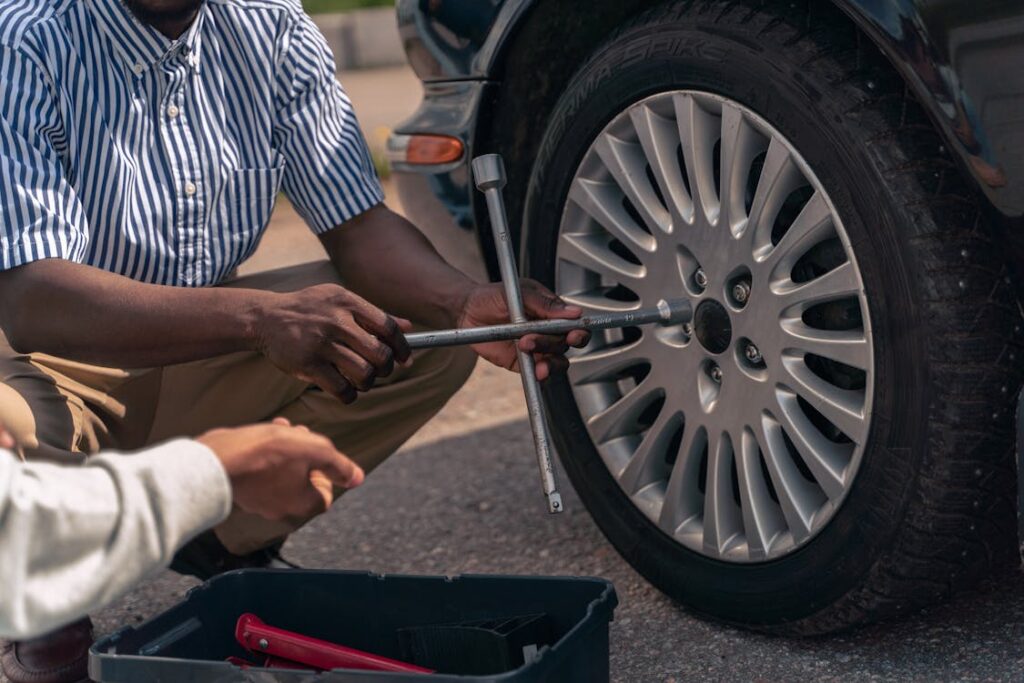
Tires are your car’s first line of defense against the road, and they play a critical role in safety and performance. Seasonal changes can significantly affect tire conditions, making regular inspections and maintenance crucial.
Seasonal Challenges for Tires
During the summer, high temperatures can increase tire pressure, leading to overinflation and uneven wear. In winter, colder temperatures often cause tire pressure to drop, reducing traction. Wet conditions in spring and icy roads in winter demand tires with adequate tread depth to ensure proper grip.
Tire Maintenance Tips
- Inspect Tread Depth: Use a tread depth gauge to ensure your tires meet the minimum requirement. Bald tires reduce grip, especially on wet or icy roads.
- Rotate Tires Regularly: Rotating your tires every 5,000-7,000 miles helps prevent uneven wear and extends their lifespan.
- Monitor Tire Pressure: Check tire pressure monthly, as it fluctuates with temperature changes. Refer to your owner’s manual for the recommended PSI.
Pro Tip
Consider switching to all-season or winter tires depending on your region’s climate. Winter tires provide better traction on snow and ice, while all-season tires perform well in moderate conditions.
2. Inspect Your Battery
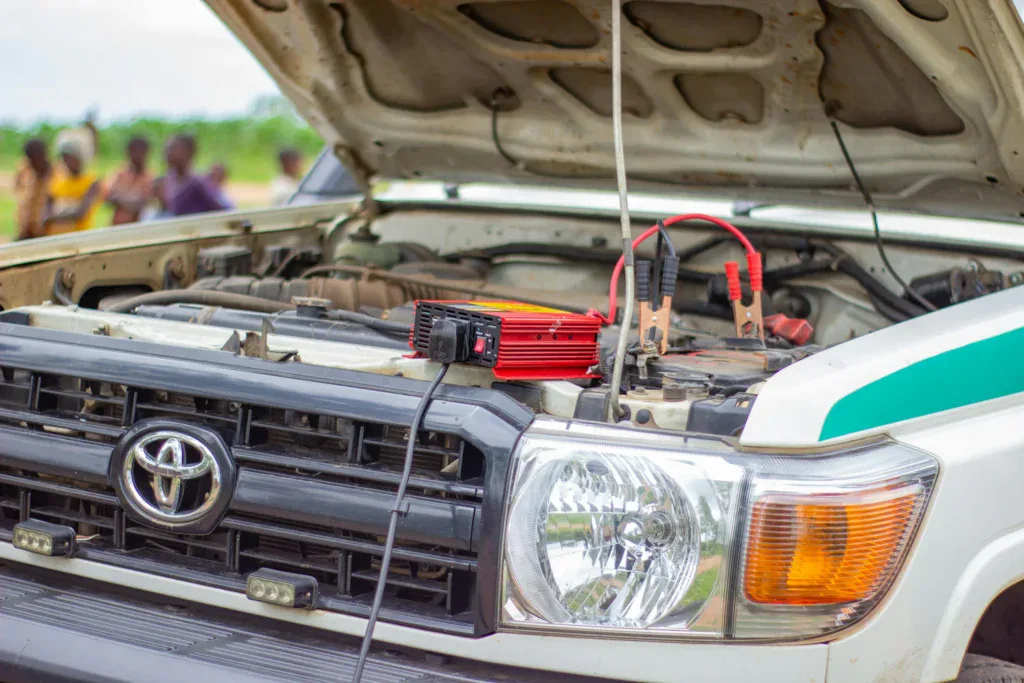
Your vehicle’s battery is highly sensitive to extreme temperatures, making it essential to test and maintain its condition as seasons change.
Seasonal Challenges for Batteries
In summer, excessive heat can cause the battery fluid to evaporate, leading to corrosion on terminals and decreased efficiency. Conversely, cold weather can slow down chemical reactions inside the battery, reducing its power output and making it harder to start your car.
Battery Maintenance Tips
- Test the Battery Charge: Check your battery’s voltage using a multimeter before winter or summer to ensure it’s functioning properly.
- Clean the Terminals: Remove any corrosion buildup on battery terminals using a wire brush and a mixture of baking soda and water.
- Replace Old Batteries: Most batteries last 3-5 years. If yours is nearing the end of its lifespan, replace it before extreme weather sets in.
Pro Tip
During winter, park your vehicle in a garage or use a battery warmer to prevent it from losing charge overnight. This small step can save you from unexpected breakdowns.
3. Replace Wiper Blades and Check Fluid Levels
Visibility is critical for safe driving, especially during seasons with heavy rain or snowfall. Neglecting your wiper blades and fluid levels can lead to dangerous driving conditions.
Seasonal Challenges for Wipers and Fluids
Rain, sleet, and snow can all impair visibility. Wiper blades often wear out faster during winter due to scraping against ice. Similarly, fluids like windshield washer and coolant may freeze or degrade in extreme temperatures.
Wiper and Fluid Maintenance Tips
- Replace Wiper Blades: Swap out your wiper blades every 6-12 months or sooner if you notice streaking or chattering.
- Use Winter-Grade Washer Fluid: Ensure your washer fluid is designed to withstand freezing temperatures. Summer-grade fluids may freeze and damage your system.
- Check Coolant Levels: Inspect your coolant reservoir to ensure it’s filled with the correct antifreeze mixture for the season.
Pro Tip
If you live in a region prone to heavy snow, consider investing in winter wiper blades. These are designed to resist ice buildup and provide clearer visibility.
4. Inspect Your Heating and Cooling Systems
Your vehicle’s heating and cooling systems are not just about comfort—they’re essential for your car’s operation. Seasonal changes can strain these systems, leading to potential issues if left unaddressed.
Seasonal Challenges for Heating and Cooling
In winter, a malfunctioning heating system can leave you shivering on your morning commute. Conversely, in summer, an inefficient air conditioning system can lead to overheating and discomfort.
Heating and Cooling Maintenance Tips
- Test the Heating System: Before winter, turn on your heater to ensure it’s functioning properly. If it’s blowing cold air, it may need servicing.
- Inspect the Air Conditioning: Run your AC during spring to confirm it’s cooling effectively. Look for signs of weak airflow or unusual noises.
- Flush the Coolant System: Follow your manufacturer’s recommendations for flushing and refilling the coolant system to prevent overheating in summer and freezing in winter.
Pro Tip
If you notice reduced airflow or strange smells when running your HVAC system, have your cabin air filter checked. A clogged filter can hinder performance and reduce air quality.
5. Check Brakes and Suspension
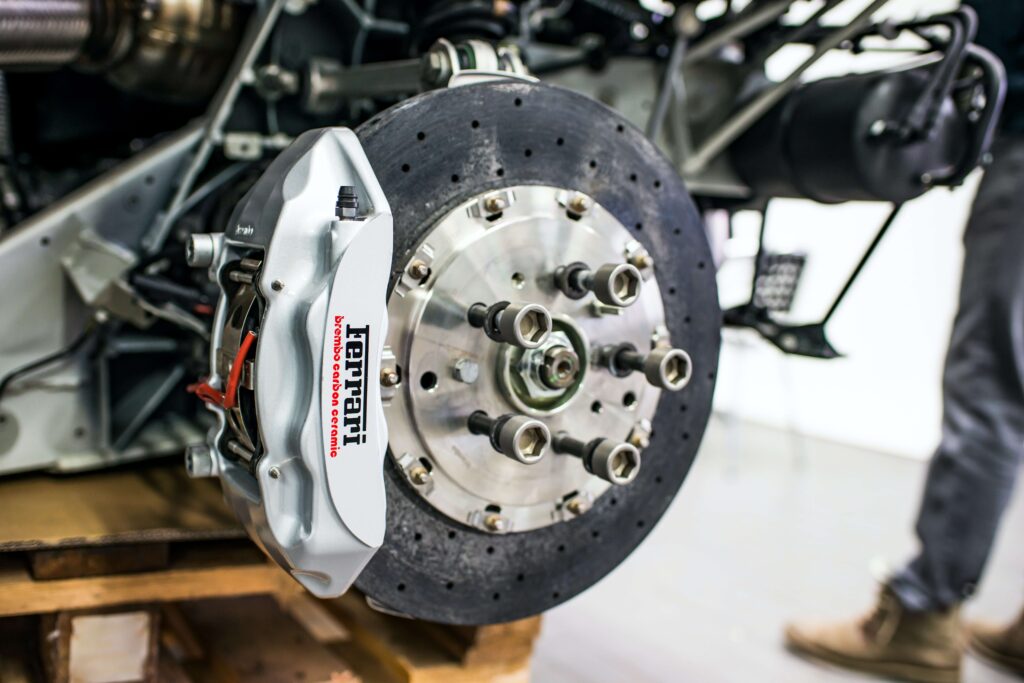
Brakes and suspension systems are critical for vehicle safety, especially when dealing with seasonal road conditions like icy patches, potholes, or wet surfaces.
Seasonal Challenges for Brakes and Suspension
Winter roads covered in ice or snow require brakes to be in peak condition for effective stopping power. Similarly, spring’s thaw can reveal potholes that stress your suspension system.
Brake and Suspension Maintenance Tips
- Listen for Unusual Sounds: Grinding, squealing, or clicking noises when braking often indicate worn pads or rotors.
- Inspect Brake Pads and Rotors: Regularly check for wear and replace them as needed to ensure optimal braking performance.
- Check the Suspension System: Look for signs of wear, such as uneven tire wear, vibrations, or a bumpy ride. Suspension issues can compromise your car’s handling and stability.
Pro Tip
Schedule a professional inspection of your brakes and suspension annually. Early detection of issues can save you from costly repairs and ensure your vehicle remains safe to drive.
Seasonal changes bring unique challenges for your vehicle, but with the right preventative maintenance, you can protect it from wear and tear. By following these five vehicle maintenance tips—checking your tires, inspecting your battery, replacing wiper blades, maintaining heating and cooling systems, and monitoring brakes and suspension—you can keep your car running smoothly and safely year-round.
Don’t wait for a breakdown to address these critical maintenance tasks. Schedule a seasonal maintenance check at Blas Auto Service LLC today! Our expert technicians are here to ensure your vehicle is ready for whatever the seasons bring. Visit us at Blas Auto Service LLC to book your appointment or learn more about our services.